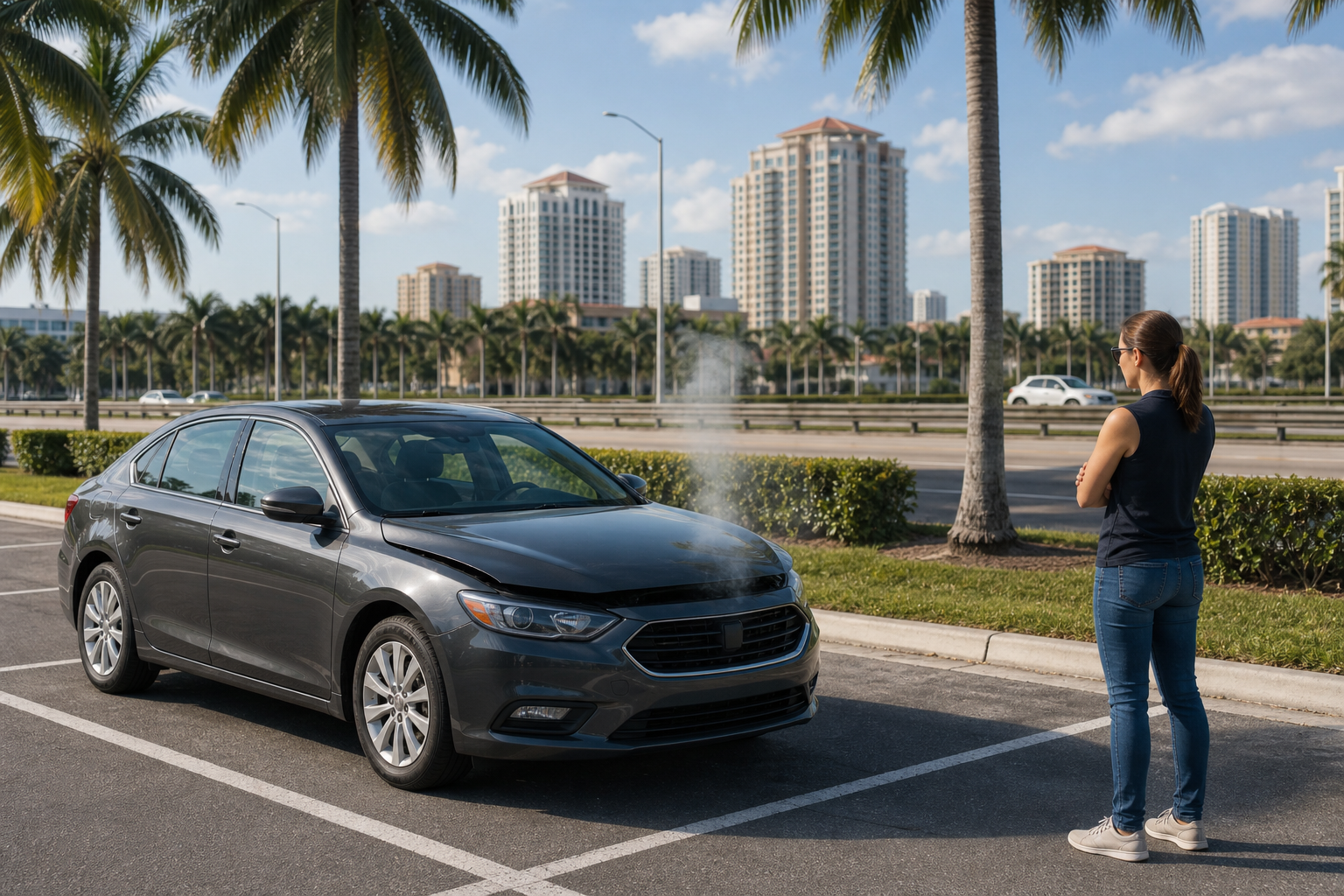
Seeing vapor, smoke, or a sharp odor coming from under the hood can turn an ordinary drive into an urgent roadside decision. The safest response depends on what the vehicle is doing right now—not on trying to identify the exact mechanical cause from the driver’s seat.
For a driver in West Palm Beach, the priority is to get out of active traffic only if the vehicle can be moved without creating more danger. A vehicle that is overheating, losing power, producing heavy smoke, or showing a warning light should not be driven farther simply to reach the next exit, gas station, or parking lot. Stop as soon as you can do so safely, shut the engine off, and arrange appropriate help.
Immediate action: protect yourself first
If you see smoke or steam from under the hood:
- Turn on your hazard lights and reduce speed smoothly.
- If the vehicle is still operating normally and there is a safe nearby place to pull over, move there carefully. While moving only to reach that immediate safe place, turn off the air conditioning.
- If the temperature gauge is high, a temperature warning appears, power is dropping, smoke is heavy, or the vehicle feels unsafe to move, stop immediately when it is safe to do so. Do not continue toward an exit or lot.
- Shift into park, set the parking brake, and shut off the engine.
- Keep the hood closed at first. Move people away from the front of the vehicle and call for help if there is heavy smoke, a burning smell, flames, or fluid leaking onto the ground.
Smoke and steam are not the same—but both deserve caution
Drivers often use the word “smoke” for any cloud coming from the hood area. In some cases it may be steam from hot coolant. In others, it can be smoke from overheated wiring, oil contacting hot engine parts, or another issue that should not be handled at the roadside.
White vapor or steam
Thin white vapor can indicate hot coolant or water vapor. It may come with a sweet smell, a high temperature gauge, or a dashboard temperature alert. Treat this as a possible overheating event. Shut the engine off and allow the vehicle to cool. Never remove a radiator cap or coolant reservoir cap while the engine is hot; pressurized hot fluid can cause serious burns.
Blue-gray or dark smoke
Blue-gray, black, or dark smoke is more concerning, especially when paired with a burning oil, plastic, rubber, or electrical smell. Do not open the hood if smoke is building quickly. Move well away from the vehicle, keep others clear, and contact emergency services if you see flames or believe a fire may be starting.
Steam after rain or a car wash
A small amount of brief vapor can sometimes occur when rainwater reaches hot engine components. Even then, do not assume it is harmless if the temperature gauge is rising, warning lights appear, the smell is unusual, or vapor continues after you stop. When in doubt, avoid restarting and request assistance.
Where to stop around West Palm Beach
Busy local corridors can make a hood-related problem more hazardous. On I-95, Florida’s Turnpike, Okeechobee Boulevard, Southern Boulevard, or other high-speed roads, avoid standing beside the vehicle or opening the hood near traffic. If you can safely coast into a parking lot, service road, or other protected area without continuing to operate an overheating or failing vehicle, do so. If not, stop in the safest available location, use hazard lights, and remain protected from traffic.
Do not continue driving an overheating or heavily smoking vehicle merely because the shoulder is narrow. More driving can worsen the failure and may increase the risk of a fire or sudden loss of power. If you are on a roadway where exiting the vehicle would expose you to traffic, call for help and follow dispatcher instructions for your specific location.
What to do while you wait
Once the engine is off, the goal is simple: do not turn a manageable problem into an injury or a more severe vehicle issue.
- Keep hazard lights on if the vehicle battery allows.
- Do not restart the vehicle repeatedly to “see if it clears up.”
- Do not pour cold water onto a hot engine.
- Do not open a pressurized cooling-system cap.
- Do not touch wet spots, leaking fluid, belts, hoses, or electrical components.
- Gather your exact location, direction of travel, vehicle make and color, and a description of what you saw or smelled.
- Take a photo from a safe distance if it can help document the warning light, gauge position, or visible vapor—but do not step into traffic to do it.
If the vehicle has fully cooled and there is no active smoke, an appropriate roadside provider may be able to make a safe visual inspection or help with a simple situation such as a flat tire or an empty fuel tank when those issues are clearly separate from the under-hood concern. Roadside assistance is not a substitute for diagnosing an overheating or smoking vehicle. If there is uncertainty about safe operation, arranging a tow is the safer choice.
When waiting may be reasonable
Waiting for the engine to cool can be appropriate only after the vehicle is safely parked, the engine is off, there are no flames or heavy smoke, and you are not exposed to traffic danger. Cooling time does not prove that the vehicle is safe to drive afterward. A temperature warning that disappears after sitting can return quickly when the engine is restarted.
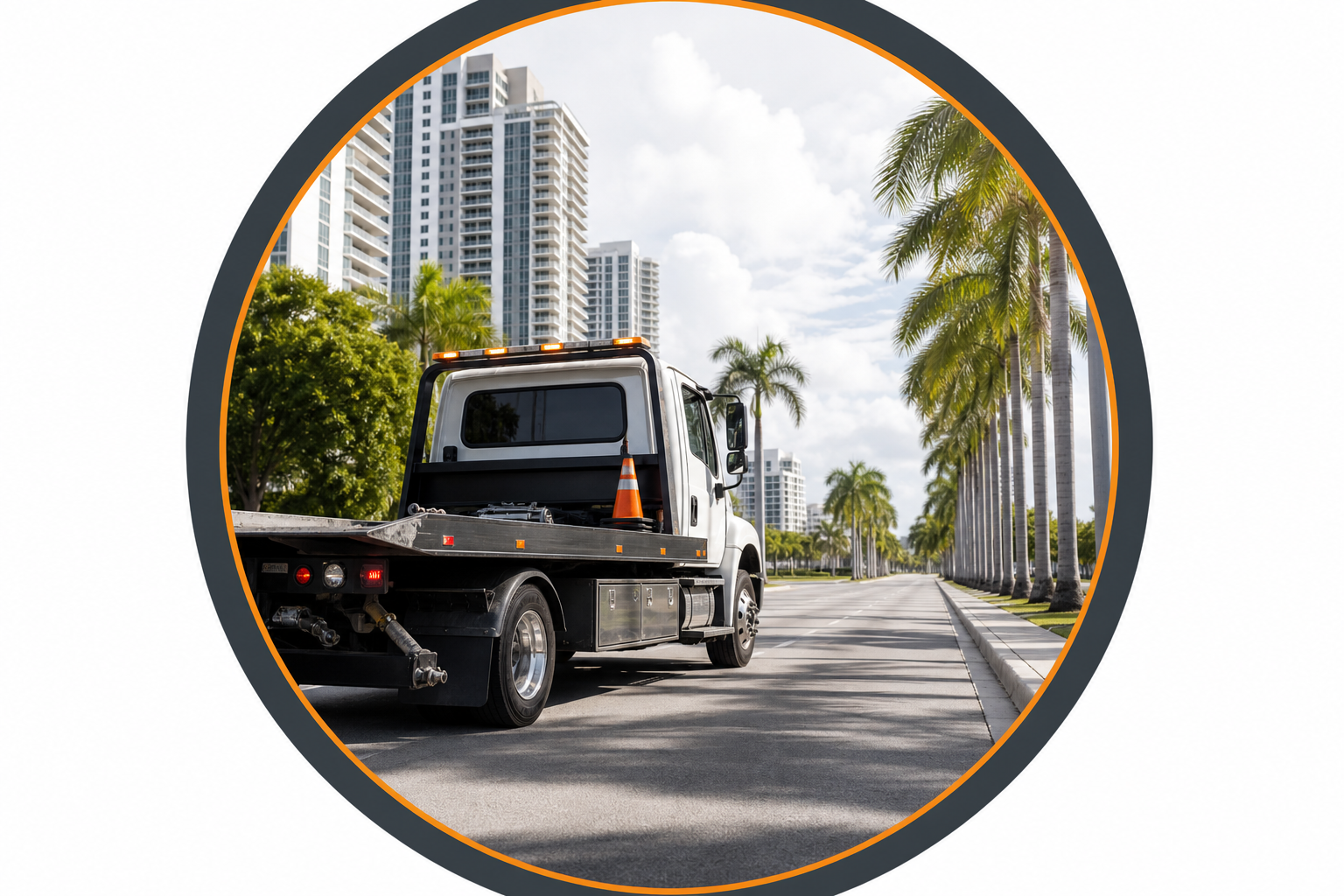
Use the wait time to arrange help rather than to plan a long drive home. If a tow is needed, a flatbed towing service can transport the vehicle without asking you to operate it further.
Call for a tow when any of these signs are present
A tow is usually the prudent option when the problem involves heat, smoke, leaking fluid, or uncertain engine condition. Request towing if you notice any of the following:
- The temperature gauge reaches hot, a red temperature light comes on, or an overheating warning appears.
- Smoke is thick, persistent, dark, or accompanied by a burning odor.
- The vehicle loses power, runs roughly, stalls, or will not restart normally.
- You see coolant, oil, or another fluid leaking from the engine area.
- The hood area is too hot, the smell is strong, or you are unsure whether a fire risk exists.
- You are stopped on a high-speed road, a narrow shoulder, or another location where roadside inspection is unsafe.
- The vehicle cooled down, but you do not know why it overheated.
For a vehicle that should not be driven, contact 24-hour towing in West Palm Beach and explain that the concern is smoke, steam, overheating, or a possible fluid leak. That information helps the provider understand the situation and arrange the right type of transport.
Useful details to give the dispatcher
Clear information can help roadside personnel locate you safely and prepare for your situation. Share your nearest cross street, highway name and direction, or a recognizable nearby business. On I-95 or the Turnpike, provide the direction of travel and any mile-marker information you can safely identify.
- Vehicle year, make, model, color, and license plate if requested
- Your exact location and whether you are in a lot, on a shoulder, or in a travel lane
- Whether the engine is off and whether the vehicle can roll or steer
- Whether you saw steam, dark smoke, flames, warning lights, or leaking fluid
- Whether passengers need a safer place to wait
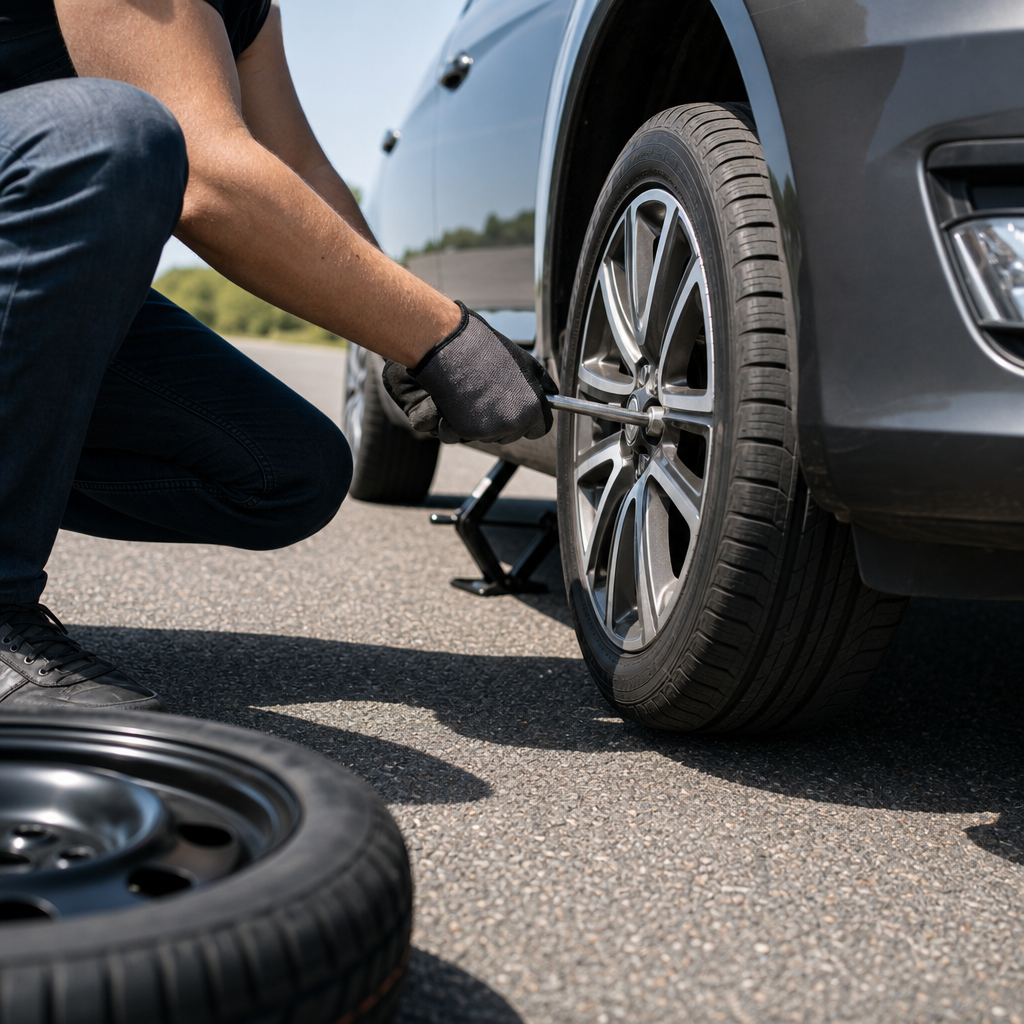
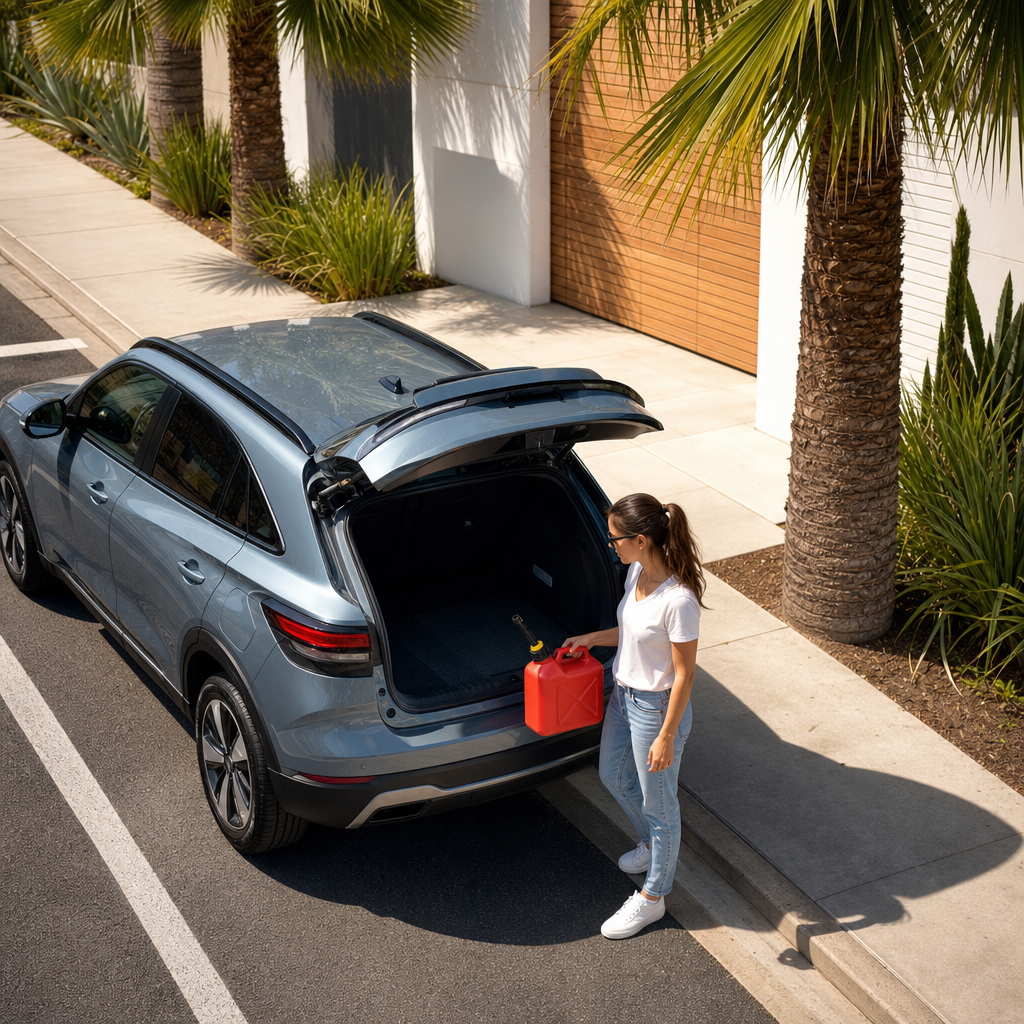
If the issue turns out to be a separate tire problem, help is available through flat tire service. If your vehicle has simply run out of fuel and there are no overheating or smoke symptoms, fuel delivery may be a more suitable option.
Frequently asked questions
Can I drive a short distance after steam comes from under the hood?
Do not continue driving if the vehicle is overheating, the temperature warning is on, power is fading, or steam is persistent. Even a short distance can worsen engine damage or leave you stranded in a less safe location. Stop safely and arrange a tow when operation is uncertain.
Should I open the hood to let the engine cool?
Do not open the hood if there is heavy smoke, a burning smell, or any concern about fire. After the engine is off and the situation appears stable, it is still important to avoid hot surfaces and never open a hot radiator or coolant cap. Waiting for professional assistance is often the safest option.
Can roadside assistance refill coolant and send me on my way?
Service capabilities vary, and adding fluid does not identify or correct the reason a vehicle overheated. A provider may be able to offer safe assistance when appropriate, but a vehicle with steam, overheating, or a possible leak may need towing rather than roadside service.
What if the smoke stops after I turn the engine off?
Stopping smoke does not confirm that the problem is resolved. Heat and pressure may return after restarting. If you had a warning light, a high temperature gauge, an unusual smell, or visible fluid leakage, avoid driving and have the vehicle transported.
What should I do if there are flames?
Move away from the vehicle, keep others away, and call emergency services. Do not attempt to open the hood or fight an engine-compartment fire unless you are trained, equipped, and it is safe to do so.